
HVAC Systems
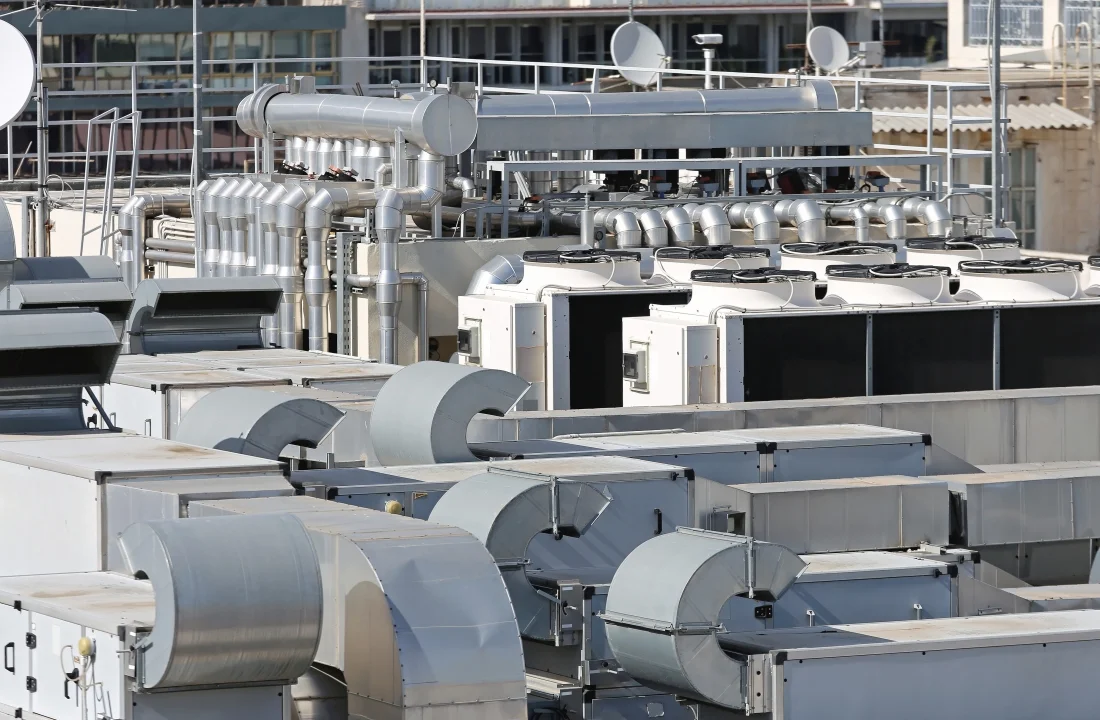
HVAC (Heating, Ventilation, and Air Conditioning) Systems are critical environmental control solutions designed to regulate temperature, humidity, air quality, and airflow within controlled environments. HVAC systems play a vital role in maintaining cleanroom conditions, ensuring occupant comfort, protecting sensitive processes, and supporting compliance with industry regulations. Widely used in pharmaceutical manufacturing, biotechnology facilities, hospitals, laboratories, food processing plants, electronics manufacturing, commercial buildings, and industrial facilities, HVAC systems are engineered to deliver consistent environmental conditions while maximizing energy efficiency and operational reliability.
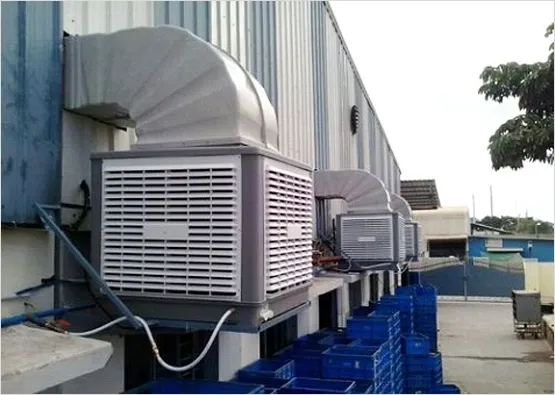
Air Washer Unit is an air conditioning and air cleaning system used in industrial and pharmaceutical HVAC systems to clean, cool, humidify, or dehumidify air using a water-based washing process. It improves indoor air quality by removing dust particles, contaminants, and soluble gases from the air stream. The system works by drawing fresh or return air into a chamber where it is passed through a fine water spray. Dust and impurities get trapped in the water droplets, and the cleaned air is then supplied to different controlled environments such as production areas, warehouses, or utility sections. In pharmaceutical facilities, Air Washer Units are often used as part of central air handling systems to maintain controlled temperature, humidity, and cleanliness as per GMP requirements. Key Features:
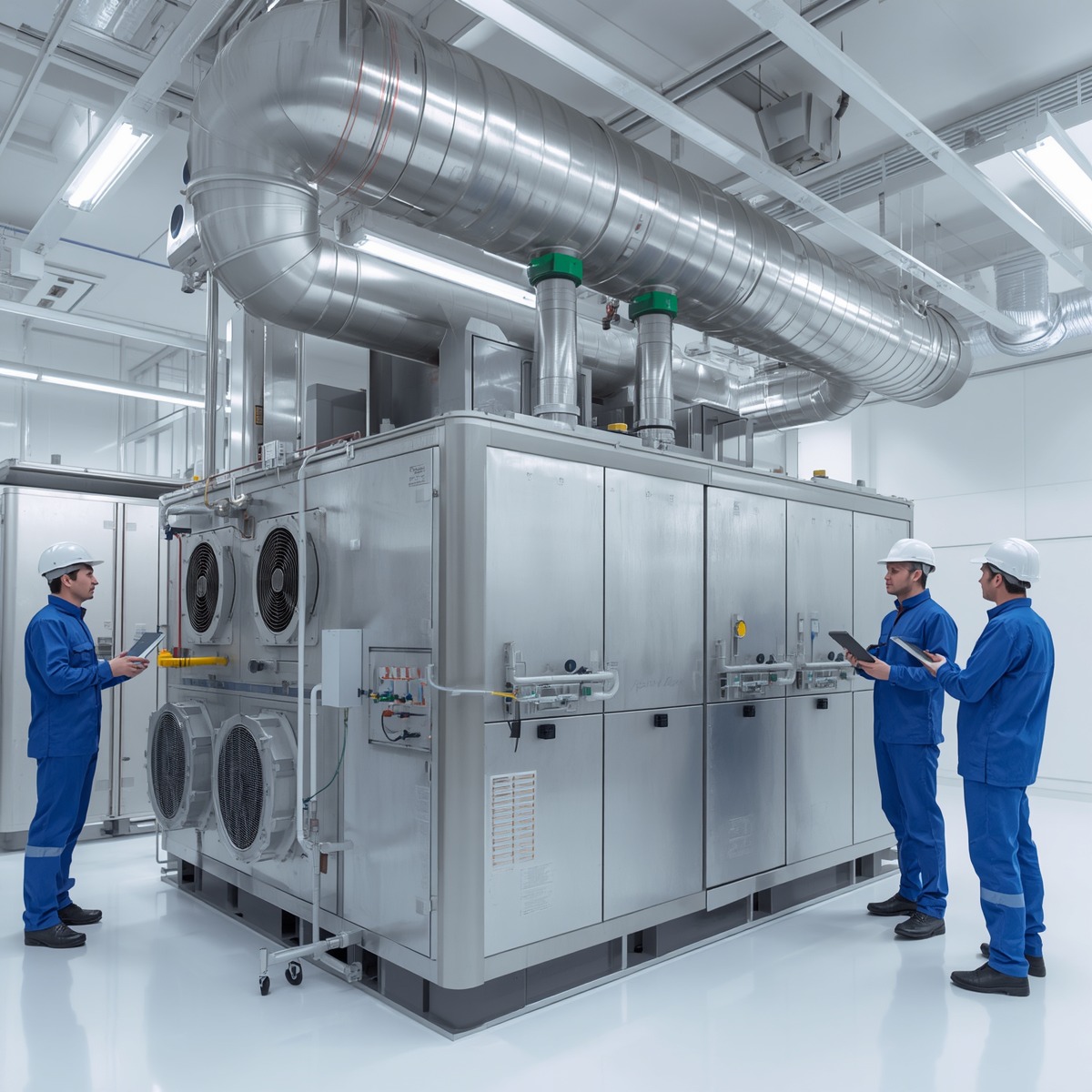
Exhaust Air Unit (EAU) is a critical ventilation system used in pharmaceutical, biotech, and cleanroom facilities to safely remove contaminated or used air from controlled environments. Its main purpose is to maintain cleanroom integrity by extracting air that may contain dust particles, chemical fumes, heat, or microbial contamination. The unit ensures proper air balancing by continuously removing exhaust air while maintaining required pressure differentials between clean and non-clean areas. This helps prevent cross-contamination and maintains GMP-compliant cleanroom conditions.